

Park Lane Estate Clearances: Private Garden Waste in W1K
Posted on 10/06/2026
Private garden waste in W1K can look simple from the outside. A few cut branches, some old pots, a bit of soil, maybe a broken trellis. Then you start moving it, and suddenly there's more of it than expected. Wet bags. Thorny clippings. Heavier items tucked behind the shed. If you live or manage property near Park Lane, the job needs to be handled neatly, discreetly, and without upsetting the rhythm of the building or the street.
This guide explains Park Lane Estate Clearances: Private Garden Waste in W1K in plain English: what it involves, why it matters, how it works in practice, and what to expect if you want the garden cleared efficiently. It also covers common mistakes, sensible compliance checks, and the kinds of service options that usually make life easier in central London. Truth be told, in a place like Mayfair, good waste removal is often less about brute force and more about planning, timing, and not leaving a trace.
If you are comparing broader service options, it may help to first look at the wider services overview and the dedicated garden waste removal in Mayfair page. Those pages sit nicely alongside this one if your clearing job is part of a larger property tidy-up.
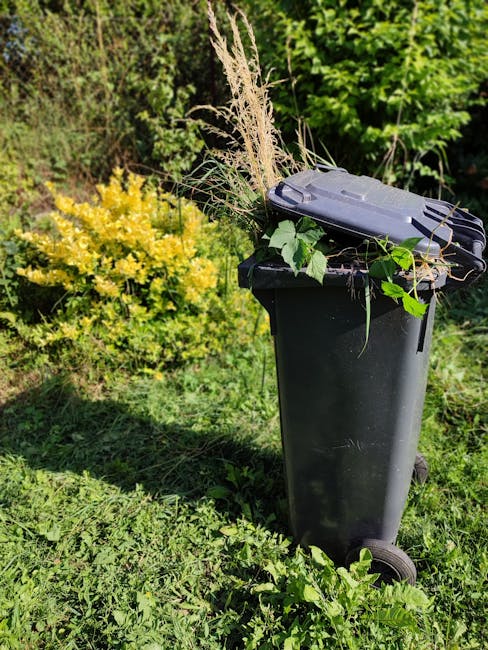
Why Park Lane Estate Clearances: Private Garden Waste in W1K Matters
Garden waste clearance in W1K is not just about keeping things tidy. In Park Lane and the surrounding Mayfair streets, it often forms part of a wider property care routine: preparing a terrace for guests, resetting a private courtyard after landscaping, or clearing seasonal growth before a flat goes on the market. Small issues can quickly become visible issues in this part of London. A stack of cuttings left in the wrong place looks messy fast, especially where entrances, sightlines, and shared access points matter.
There is also a practical side. Private garden waste can be awkward to move through narrow access routes, basement steps, mews entrances, internal corridors, or lift-only buildings. Some waste is light but bulky; other material, like damp soil or broken planters, is oddly heavy. If you have ever tried to bag a wet hedge cutback on a warm afternoon, you will know exactly what that means. Not glamorous work, really.
For owners, landlords, managing agents, and householders, the goal is usually the same: clear the garden without disrupting neighbours, damaging surfaces, or leaving evidence of the job behind. That is where a local, well-organised clearance service matters. It should be careful with timing, careful with the building, and careful with disposal.
In a premium area, discretion is part of the service. So is environmental responsibility. Readers who care about how waste is processed can also review the company's recycling and sustainability approach, which is useful if you want the material handled in a more responsible way rather than simply hauled away.
How Park Lane Estate Clearances: Private Garden Waste in W1K Works
The process is usually straightforward, but the details matter. A sensible garden clearance begins with identifying what needs removing, how much there is, and how the waste will leave the property. That sounds obvious, though in practice it prevents most of the headaches.
Typical private garden waste may include:
- grass cuttings and hedge trimmings
- branches, twigs, and woody offcuts
- leaves, weeds, and dead planting
- old compost, soil, or turf
- broken pots, trays, and planters
- rotted timber, small fencing sections, or trellis
- bagged mixed outdoor rubbish from sheds or storage corners
In many cases, the service begins with an assessment or quote based on photos, a site visit, or a clear description of the load. If access is tight, that should be discussed early. Lift restrictions, concierge procedures, parking limits, and loading times can all affect how the clearance runs. A good provider will factor that in rather than discovering it at the kerbside, which is always a bit late.
Once agreed, the team normally arrives with the right vehicles, lifting equipment, sacks, and safety gear. Garden waste is collected, sorted where needed, and then taken for recycling, composting, or disposal through appropriate channels. For more general clearing alongside outdoor waste, the broader rubbish collection in Mayfair service can be useful, while bigger mixed-property jobs may fit better with waste clearance in Mayfair.
Where a job overlaps with internal contents as well as outdoor waste, the team may combine services. For example, if a rear garden is being cleared at the same time as a storage room, a package approach can be more efficient than booking separate visits. That is especially true when access is one of the main constraints.
Key Benefits and Practical Advantages
Let's face it: most people do not call for garden waste removal because they enjoy the process. They call because they want the space back, and they want it back without fuss. The benefits go beyond a cleaner view from the window.
- Better presentation: A tidy garden makes a property feel cared for, which matters in a high-value post like W1K.
- Less disruption: A managed clearance reduces the chance of bags sitting around for days or causing awkward smells in warm weather.
- Safer access: Removing overgrowth, broken items, and slippery debris helps prevent trips and blocked paths.
- Time savings: What might take a resident a full weekend can often be handled much faster by an experienced team.
- More responsible disposal: Green waste is often recyclable or compostable when sorted properly.
- Improved flexibility: A cleared garden is easier to maintain, redesign, rent out, or photograph for sale.
There is a quieter advantage too. A professional clearance removes the mental clutter that builds up when a garden becomes the place where "we'll deal with that later" items go to sit. Everyone has one of those corners. Once it is gone, the whole property feels lighter.
If the job is part of preparing a home for sale or change of occupancy, the article Mayfair home buying and selling guide can give helpful context on why presentation and timing matter so much in this area.
Who This Is For and When It Makes Sense
This type of clearance is useful for several kinds of clients, and the reasons are not always the same.
Homeowners with private gardens or terraces
If you have seasonal pruning, a hedge that has run away from you, or years of accumulated outdoor clutter, a clear-out gives you a clean starting point. This is especially useful before replanting, patio repairs, or general maintenance.
Landlords and managing agents
Between tenancies, outdoor spaces can collect broken furniture, plant debris, or abandoned items. A fast reset helps keep the property attractive and ready for viewing.
Estate managers and concierge teams
In managed buildings, outdoor waste often needs to be removed with minimal noise and very little drama. Timing, access, and respect for residents matter just as much as the clearance itself.
People selling or refurbishing a property
Garden presentation can influence first impressions in a way that people underestimate. Even a small courtyard can change how a buyer feels when they step outside from the reception room.
Anyone dealing with inherited or long-neglected outdoor space
Sometimes the issue is not seasonal maintenance. It is years of accumulation. A broken bench, plant pots stacked by the wall, old compost bags, bits of timber, and a few containers that have long since lost their purpose. That is where a proper clearance can make the task feel manageable instead of overwhelming.
For readers who are also deciding whether Mayfair is the right long-term base, the guide to choosing Mayfair as your home offers a useful neighbourhood perspective. And if you are interested in the local property market more broadly, your Mayfair real estate investment guide is a sensible companion read.
Step-by-Step Guidance
A tidy process usually produces a tidy result. Simple enough, but worth spelling out.
- Walk the garden first. Identify all waste types, access points, and anything that should stay in place.
- Separate the material. Keep green waste apart from mixed rubbish where possible. This often improves handling and disposal options.
- Flag access issues early. Note gates, steps, basement routes, neighbour considerations, lift restrictions, or parking constraints.
- Take photos if quoting remotely. Clear images from a few angles help estimate volume and avoid surprises.
- Choose the right service level. A small green waste collection is different from a mixed estate clearance or a full garden reset.
- Schedule thoughtfully. Morning slots often make sense in busy central London, but the best time depends on access and building rules.
- Check disposal arrangements. Ask what will happen to the waste: recycling, composting, transfer station, or mixed disposal.
- Do a final sweep. Once the waste is gone, look for forgotten offcuts, screws, labels, or broken planter fragments.
A practical example: a Mayfair resident clears a rear courtyard after spring pruning. The green cuttings are bagged, but there are also two cracked planters, a disused parasol base, and damp soil. If everything is mixed together without a plan, the job takes longer and may be costlier. If the waste is sorted from the start, the collection is usually smoother. Small difference, big effect.
Expert Tips for Better Results
Experience shows that the best garden clearances are the ones that avoid unnecessary handling. Every extra lift, carry, or repositioning adds time and risk. A few small habits make a real difference.
- Bundle cuttings where practical. Tying branches or grouping hedge waste can reduce scatter and speed up collection.
- Keep wet material separate. Soaked soil and saturated clippings are much heavier than they look.
- Photograph awkward items. Thorny canes, broken pots, or oversized planters are worth showing in advance.
- Protect surfaces. In older or high-spec properties, temporary floor or wall protection can save a lot of worry.
- Plan around neighbours. Quiet handling and clean loading matter in tightly packed streets and shared entrances.
- Ask about recycling routes. It is perfectly reasonable to want to know how green waste will be treated.
If you are coordinating more than one type of clearance, that is where a joined-up approach helps. Garden waste may sit alongside box waste, household items, or even storage clearance. The point is not to overcomplicate it. It is to avoid making three small jobs into one messy one.
One small but useful habit: keep a note of what tends to pile up in the garden each season. It sounds trivial, but it makes future clearances far easier to plan. You will thank yourself later. Probably with tea.
Common Mistakes to Avoid
Most problems in garden waste clearance come from a few predictable missteps. None of them are dramatic on their own, but together they can slow the job or raise the cost.
- Mixing everything together. Green waste, soil, timber, and general rubbish are not always treated the same way.
- Underestimating volume. A small pile can become a large load once cuttings are compressed and moved.
- Ignoring access problems. Narrow doors, limited lift access, and parking restrictions can affect the whole booking.
- Leaving sharp or heavy items unflagged. Broken terracotta, tools, and stakes can create avoidable handling risks.
- Booking at the wrong time. Busy delivery windows or resident movement can make collection awkward.
- Forgetting the end state. If you want the garden left ready for planting or photos, say so early.
There is also a temptation to treat outdoor waste as if it can simply be pushed into any container or left for ordinary collection. Sometimes that leads to unnecessary delays, especially where volume or weight is involved. Better to get it right at the start.
A small aside: if your garden has been the unofficial home for "temporary" items for five years, do not be surprised if it takes more than one tidy pass. Gardens are cheeky like that.
Tools, Resources and Recommendations
You do not need specialist equipment to decide whether a clearance is needed, but a few simple tools help you brief the job properly.
- Phone camera: Take wide shots and close-ups of anything odd or bulky.
- Measuring tape: Helpful for planters, sheds, long branches, or awkward access widths.
- Bin bags or contractor sacks: Useful for sorting small green waste before collection.
- Gloves and sturdy footwear: Especially if you are doing a first sort yourself.
- Notes app: Keep a quick list of waste types, access details, and preferred timings.
From a service point of view, the most helpful resources are the ones that make booking and planning easier. If you want a general sense of the company's scope, review the about us page and the pricing and quotes information. If a garden project overlaps with furniture or outdoor storage items, the furniture disposal in Mayfair page may also be useful.
And if the job is part of a larger property refresh, you may find it helpful to compare related services like house clearance in Mayfair or loft clearance in Mayfair. Not every job is purely outdoor, after all.
Law, Compliance, Standards, or Best Practice
With waste removal in London, compliance is not something to leave vague. You do not need to become a legal expert, but it is sensible to use a provider that handles waste responsibly and can explain what happens to it.
In practical terms, that usually means checking a few basics:
- the company is transparent about collection and disposal methods
- the waste is handled safely and without creating a nuisance
- vehicles, lifting practices, and staff conduct are appropriate for the environment
- data, payment, and booking information are managed securely
For premium residential streets and managed estates, good practice also means respecting building rules, access slots, and shared areas. A clearance team should avoid damaging paving, scraping walls, blocking entries, or leaving residue behind. Simple courtesy goes a long way.
If you want more reassurance on operational standards, the company's insurance and safety information and payment and security page are sensible places to check. For wider policy commitments, the privacy policy, terms and conditions, and accessibility statement are also relevant. Small details, yes, but they tell you a lot about how seriously a business treats the basics.
Best practice in this sector is rarely flashy. It is quiet, careful, and organised. That is usually exactly what people want.
Options, Methods, or Comparison Table
There are a few common ways to handle private garden waste in W1K. The right one depends on volume, access, timing, and whether the waste is purely green or mixed with other material.
| Method | Best for | Advantages | Watch-outs |
|---|---|---|---|
| Self-bagging and council-style disposal | Very small amounts of light green waste | Low cost if you already have the time and transport | Can be slow, messy, and awkward for heavy or bulky waste |
| Dedicated garden waste clearance | Routine pruning, overgrowth, and mixed outdoor debris | Fast, neat, and usually better for access-constrained properties | Needs clear photos or a proper description to quote accurately |
| Combined estate clearance | Garden waste plus household, storage, or furniture items | Efficient when several areas need clearing at once | Requires stronger planning and clearer sorting on site |
| Refurbishment or builders waste service | Outdoor works linked to landscaping or construction | Suitable for mixed heavier waste and project debris | Not ideal if the job is mostly light green waste |
There is no single "best" method for everyone. A neat little courtyard with a few bags of clippings is a different story from a neglected rear garden with timber, pots, and broken outdoor furniture. If your project leans toward building works, the more specialised builders waste disposal in Mayfair may be the better fit.
Case Study or Real-World Example
Here is a realistic example from the kind of job that comes up often in central London.
A Mayfair apartment with a private rear terrace had been used lightly through winter. By early spring, the owner had accumulated pruned bay branches, a few bags of dead planting, two cracked plant pots, and some old timber supports from a climber that had been removed. Nothing dramatic. Just enough to make the space feel crowded and a bit tired.
The main issue was access. The terrace could only be reached through the property, and the building had shared hallways with limited loading windows. So the job was planned in advance. Photos were sent, the waste was identified, and the collection was timed to avoid resident traffic. The team removed the green waste first, separated the broken pots and timber, and swept the area afterward so the terrace could be replanted the same day.
The result was not just a cleaner garden. It was a better-use space. The owner could see the paving again, air moved through properly, and the terrace looked ready for planting rather than apology. That kind of turnaround is the real value of a good clearance.
On the other end of the scale, if a property is being prepared for a broader lifestyle or sale upgrade, it can help to look at local context too. Articles such as Immerse yourself in the elegance of Mayfair London and Bond Street rubbish removal same-day service in W1J show how premium-area expectations shape the service experience. Different angle, same idea: neat, discreet, dependable.
Practical Checklist
Use this checklist before booking or starting a private garden waste clearance in W1K.
- Walk the garden and identify all waste piles
- Separate green waste from mixed rubbish where possible
- Note heavy, sharp, or awkward items
- Check access routes, gates, lifts, and parking restrictions
- Take clear photos in daylight
- Decide whether the job is standalone or part of a larger clearance
- Ask how the waste will be processed after collection
- Confirm timing with building rules or neighbours if needed
- Protect sensitive surfaces before work begins
- Do a final sweep after removal
Expert summary: The best private garden waste clearance in W1K is usually the one that looks effortless from the outside because the planning happened early. Clear scope, tight access details, and responsible disposal make all the difference.
Conclusion
Park Lane Estate Clearances: Private Garden Waste in W1K is really about restoring order without adding friction. Whether you are dealing with seasonal cuttings, a full courtyard reset, or a more complex estate-style outdoor clearance, the basics stay the same: plan carefully, sort the waste properly, protect access routes, and choose a team that understands central London properties.
That combination saves time, reduces stress, and leaves the space ready for whatever comes next - planting, selling, entertaining, or simply enjoying a quieter view from the window. And honestly, there is something deeply satisfying about looking at a cleared garden and knowing the job is done properly.
Get a free quote today and see how much you can save.
If you are comparing services or planning a broader clearance project, it may also help to review the company's core waste clearance in Mayfair offering before you decide. A little extra context now can make the next step much easier.
 Tipper Van - Waste Clearance and Garden Rubbish Clearance Prices in Mayfair, W1K
 Luton Van - Waste Clearance and Garden Rubbish Clearance Prices in Mayfair, W1K

